A Beautiful Garden Still Needs Somewhere to Sit
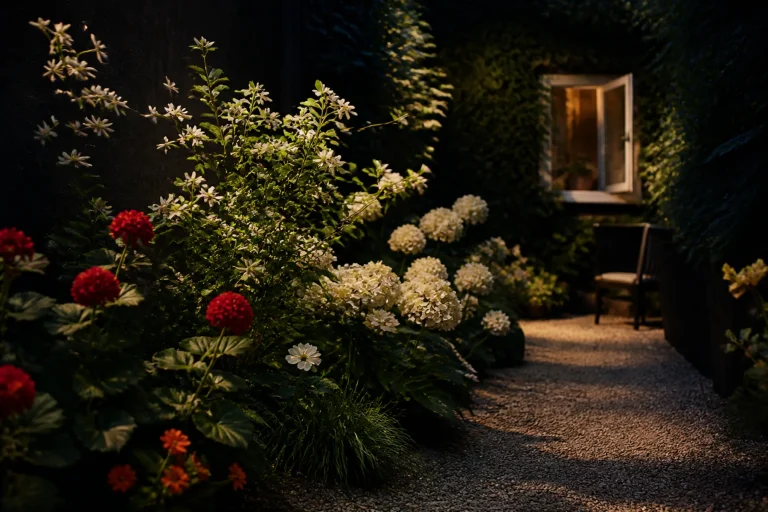
A seat changes a garden from scenery into a place. Put it where the view, shade, access, and reason to stay all agree.

Put a chair in the garden before you decide where the permanent seating belongs.
Not the expensive chair. Use the folding one from the garage. Move it to the place that looks promising and sit there long enough for the fantasy to wear off.
You may discover that the view is excellent but the afternoon sun is punishing. The shady corner may feel comfortable but face the trash cans. The bench at the end of the path may photograph beautifully and never give anyone a reason to walk toward it.
The chair test
MorningIs the seat dry, bright enough to feel inviting, and close to where coffee comes from?
AfternoonDoes it need shade, air movement, or distance from reflected heat?
EveningCan someone reach it safely, settle in comfortably, and see something worth staying for?
Ordinary TuesdayWill you use it when nobody is visiting and nothing special is happening?
Leave the temporary chair in place for several days. Notice the ground under it, the route to it, and what happens around it. A useful seat has a relationship to the house and garden. It is not a decorative object abandoned outdoors.
Decide what kind of sitting this is
A place for one person to read needs different space from a dining table, a conversation area, or a bench used while removing muddy shoes. Name the activity before buying furniture.
A solitary chair may feel best with protection behind it and a long view ahead. Conversation needs chairs close enough that people can speak normally. Dining needs a stable surface, room to pull chairs back, and a practical route to food and dishes.
University of Georgia Extension includes shady seating among useful garden amenities. Shade is important, but it is not the only form of comfort. Consider wind, glare, insects, dripping foliage, overhead fruit, and the heat held by paving.
Give the seat a view and give the view a seat
From the chair, identify where the eye lands first. If it lands on a blank fence, utility box, or the back of the grill, the planting near the seat may not be the problem. The view needs editing.
A strong container, small tree, water bowl, dark hedge, or opening through foliage can give the seat an orientation. Keep the immediate foreground calm enough that the eye can travel beyond it.
Then look back at the chair from inside the house. Seating becomes part of the garden composition when nobody is using it. Choose a form and material that can remain outdoors without looking like the room has been left unfinished.
If nobody wants to sit there, the bench is sculpture. Judge it accordingly.
Build permanence only after use
Once the temporary position survives real weather and real use, decide what it needs. The answer may be a level pad, a wider path, a tree for future shade, a screen from one direction, or a small table within reach.
Do not pour a patio because an empty corner appears to need one. Test the life first. Permanent construction should support a habit that already makes sense.
A garden is not complete because it can be admired. It becomes a place when someone can stay.