Fragrance Works Better When It Has Somewhere to Go
Place fragrant plants where people pause, pass close, or open a window. Scent needs timing, distance, and enough quiet to be noticed.

A fragrant plant at the far edge of the yard may be botanically successful and personally irrelevant.
Scent has to reach a person. That makes fragrance a question of placement, timing, air, and attention rather than a reason to collect every plant described as sweetly scented.
Design the encounter
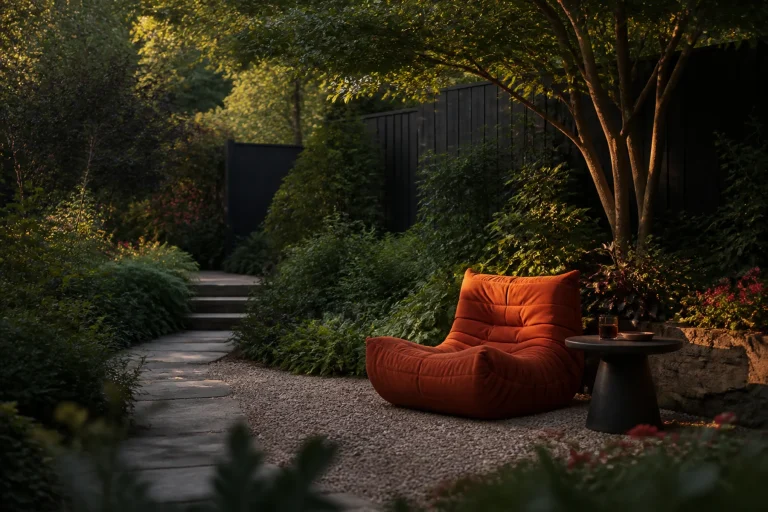
Think about where noses actually travel. People pass through a gate, brush beside a path, pause at a chair, lean over a railing, and open windows. Put fragrance where one of those encounters can happen.
A subtle flower may deserve a container near the front door. A large fragrant shrub may be better near a terrace where its scent can arrive without occupying the furniture. A groundcover that releases scent when touched belongs near an appropriate edge, not hidden behind taller plants.
Penn State Extension recommends considering fragrant woody plants as part of the landscape structure and planning a succession across the growing season. That does not require scent everywhere. It means arranging a few moments rather than hoping one crowded bed produces atmosphere.
Paths and gates
Use scent that can be noticed in motion or released by safe, ordinary contact.
Seats and tables
Choose fragrance you can tolerate for longer periods and leave enough distance for comfort.
Doors and entries
Let one reliable seasonal scent announce the garden instead of stacking several at once.
Windows
Place scent where air can carry it indoors without putting a large plant against the building.
Give strong personalities some room
Fragrance is subjective. One person’s intoxicating flower is another person’s reason to move the chair. Smell plants in person before making them permanent near a bedroom, dining area, or entrance.
Avoid combining several powerful scents in one small place. The garden does not become more sensory when every fragrant plant speaks at the same volume. Pair a strong seasonal plant with quieter foliage and allow its moment to arrive clearly.
Also consider the entire plant. Mature size, thorns, fallen flowers, fruit, sap, pollen, and water needs still matter. A lovely scent does not excuse a shrub that blocks the path or a vine that requires constant correction beside the door.
Make a scent calendar
Write the months when people use the garden most. Then note the flowering period of each fragrant plant under consideration. Climate and weather affect timing, so treat nursery descriptions as a starting point and verify plants for local conditions.
Look for gaps and collisions. Two gentle scents in different seasons may provide more pleasure than five strong plants flowering together. Woody plants can provide fragrant moments at times when perennial beds are quiet. Herbs and foliage can add scent outside the main flowering sequence.
The goal is not a garden that smells. The goal is a garden with a scent worth remembering.
Leave an unscented place
Every sensory design needs relief. Keep at least one major seating or dining area neutral, especially if different people use the space. Fragrance can trigger discomfort, and visitors may have sensitivities you do not share.
Use scent as an invitation rather than proof of abundance. Put it where someone can find it. Give it a season. Let it leave.